
August is traditionally a period of harvest and routine deadheading in the English garden, but during a drought, the focus becomes preservation. The main goal this month is moisture retention, protecting soil structure, and ensuring resilient perennials survive into autumn.
- Targeted Deep Watering: Daily sprinkling, which causes shallow root growth and rapid evaporation, is pointless under these conditions. Water early in the morning or late at night directly at the base of priority plants, established borders, and container displays using harvested greywater or stored rainwater. Focus efforts on fruiting crops (such as tomatoes, squash, and beans) and on newly planted specimens from the past year.
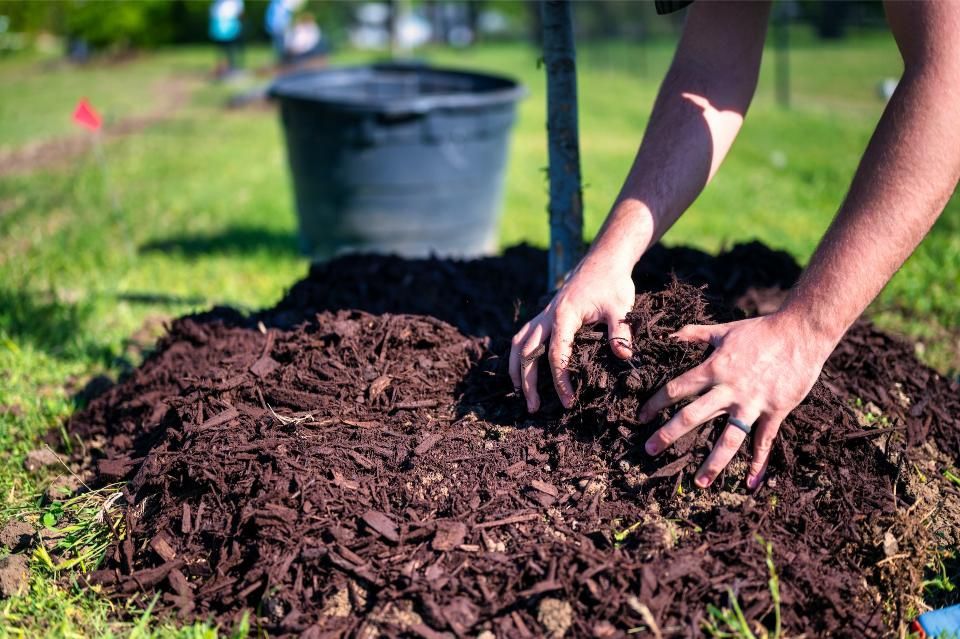
- Apply Organic Mulch: Spread a thick layer (5-7 cm) of organic matter, such as composted bark, straw, or garden compost, over damp soil around borders and vegetable beds. Mulching insulates roots from high surface heat, prevents soil crusting, and dramatically slows soil water loss.
- Pause Lawn Maintenance: Allow grass to turn brown; established lawns are resilient and will recover fully once autumn rains return. Raise mower blades to their highest setting if cutting is unavoidable, or stop mowing altogether to reduce heat stress on the crowns. Never apply fertilisers during dry spells, as this can burn scorched turf.
- Prune Wisteria and Summer Shrubs: Perform late-summer pruning on summer-flowering shrubs like Philadelphus and Weigela once blossoms fade. Cut back whip-like side-shoots on Wisteria to five or six leaves to encourage flower bud development for next spring without exhausting the vine.
- Strategic Deadheading: Regularly snip spent flowers from Dahlias, Roses, and bedding plants to prolong bloom cycles. Leave seed heads intact on architectural perennials like Echinacea, Rudbeckia, and Teasel to provide visual structure and essential food for birds.
- Support Garden Wildlife: Keep shallow water dishes filled with pebbles or stones for bees, hoverflies, hedgehogs, and birds. Ensure bird baths remain topped up daily, as natural water sources dry out rapidly across the landscape.